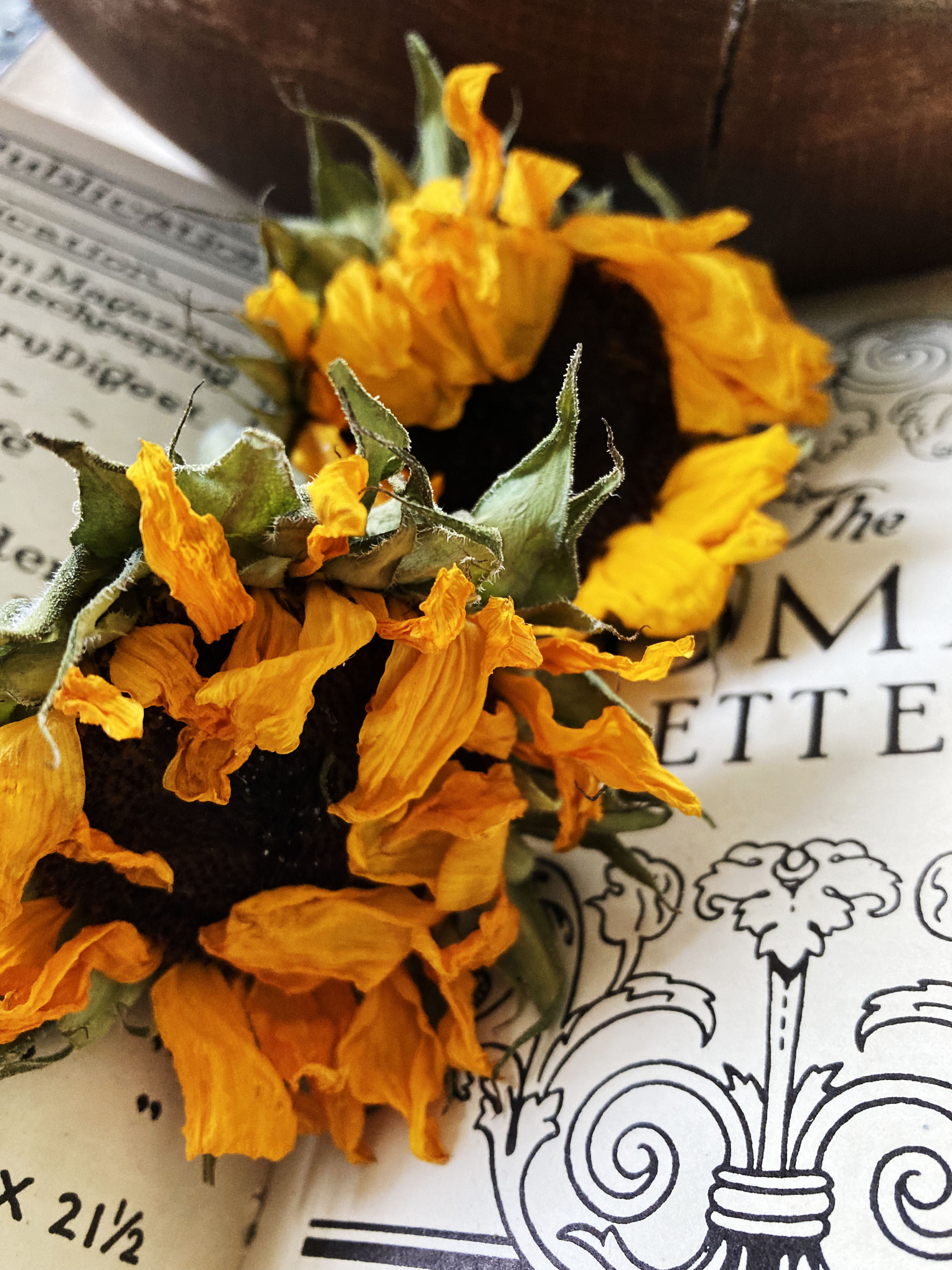
sunflowers drying in the afternoon sun
amber honey poured into hot ginger tea
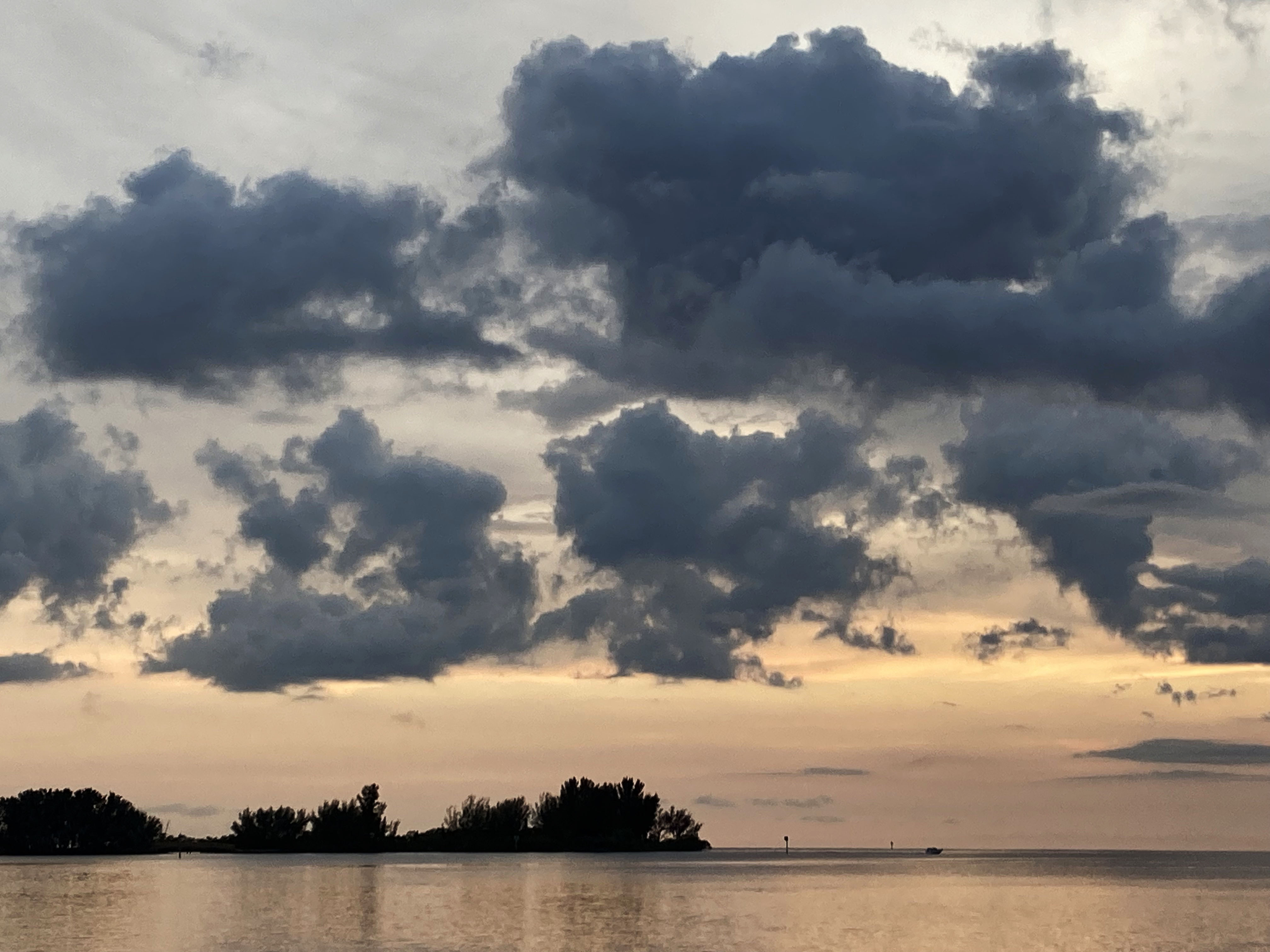
reflective golden sunsets
ripe sensual pears in a chipped bowl
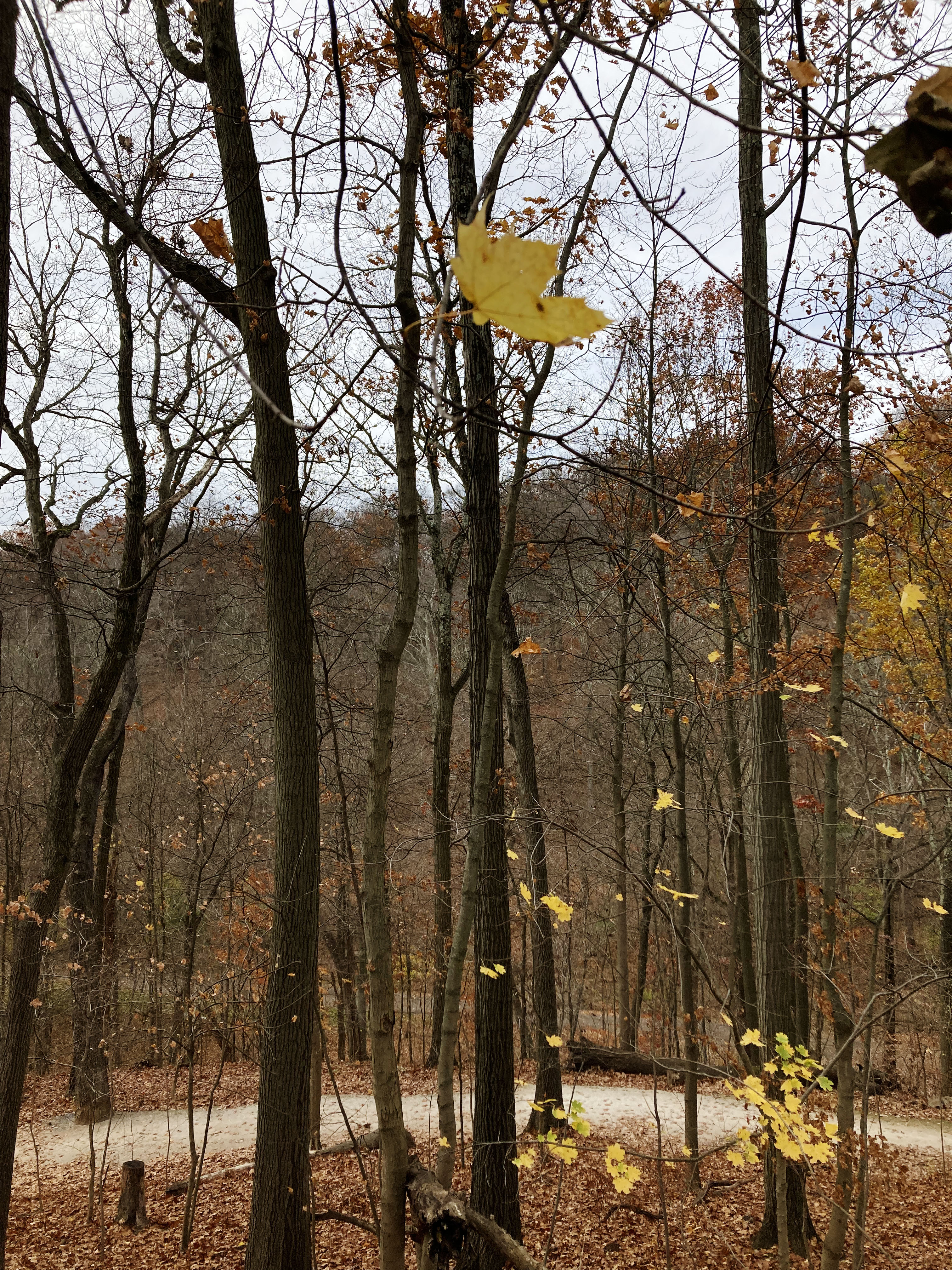
single citrine leaves on bare trees

sunflowers drying in the afternoon sun
amber honey poured into hot ginger tea
reflective golden sunsets
ripe sensual pears in a chipped bowl
single citrine leaves on bare trees
Here was yet another liminal space, a crossing point between the mundane and the magical. Winter, it seems is full of them: fleeting invitations to step out of the ordinary.
from the book, Wintering by Katherine May, 2020
i think of the lantern flies hibernating in the winter
(their beauty and their destructiveness)
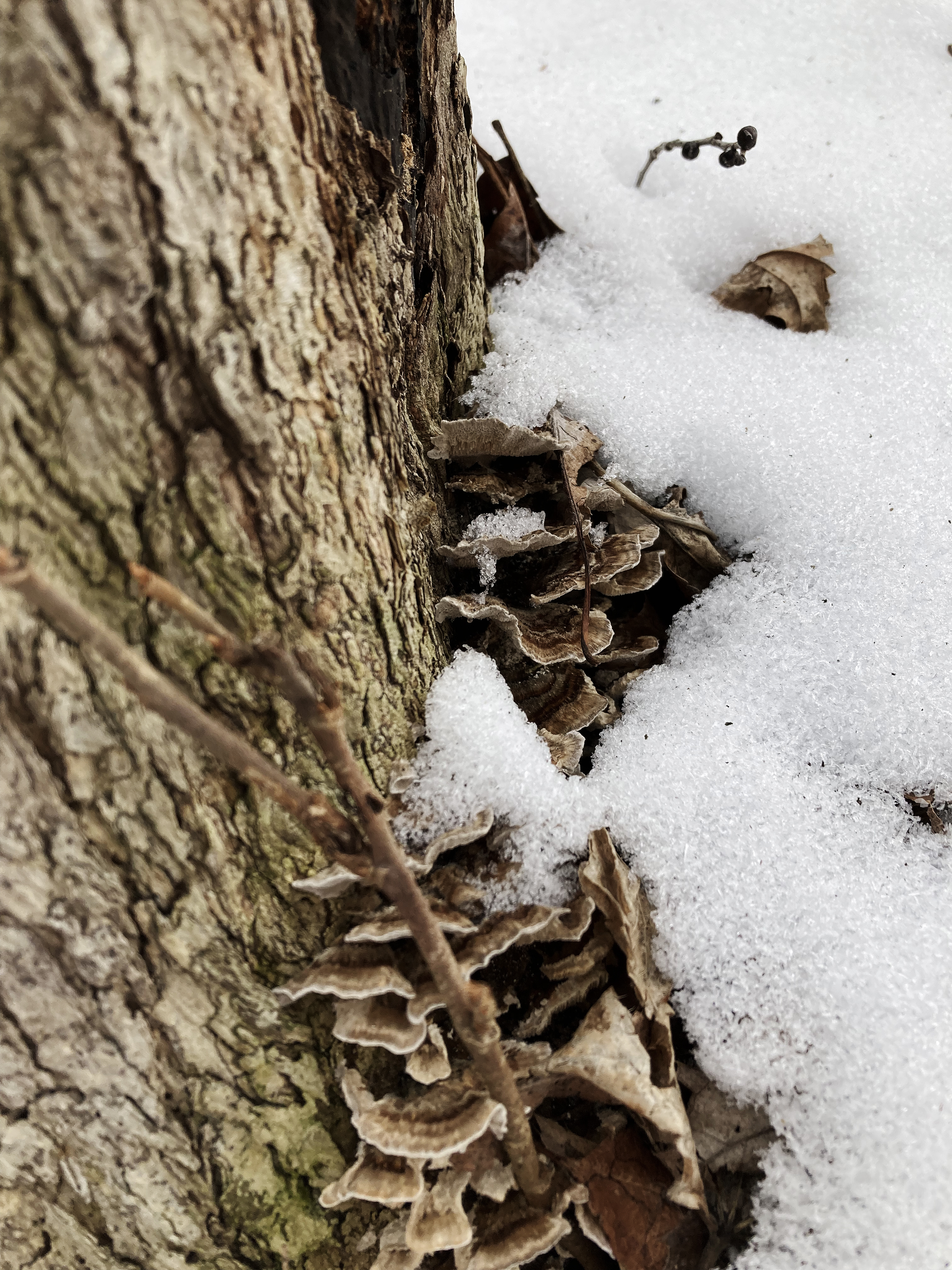
i think about the sculptural tree fungus
(some fungus is good and some is harmful)
i grieve the space dog, Laika
(why, why, why did they have to send her into space?)
my lost heart locket haunts me, 50 years later
(if i bought another, would it heal the longing?)
maybe some tea would be good right now
(lemon ginger or peppermint?)
the short version:
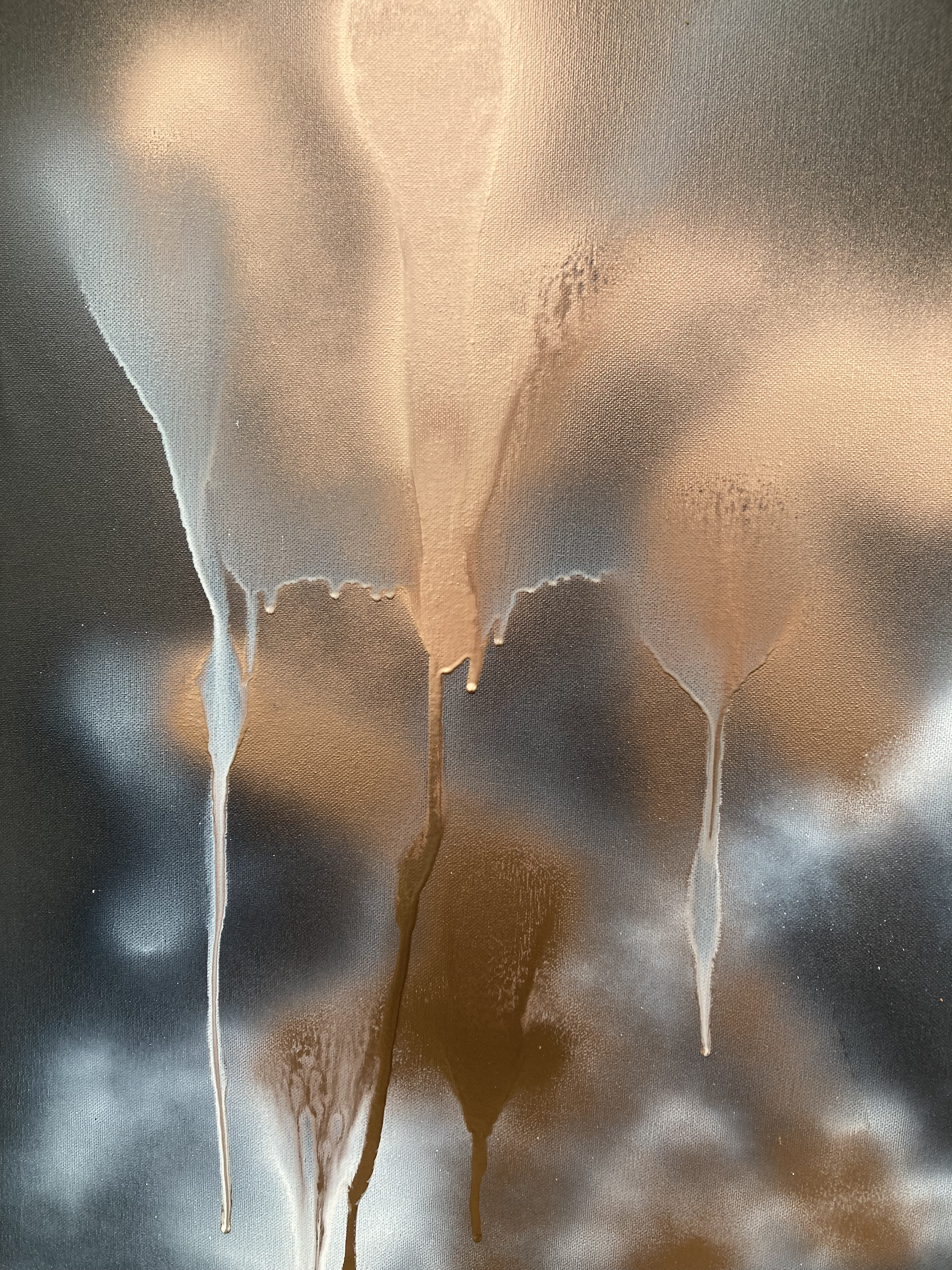
the language of my ancestors melts into the canvas of my life, drips onto the pavement of the past and splashes, sticky and viscous into the shortened walkway of the future
the long version:
When I was a child, I knew and understood one language. This language was not on television and it was not overheard on the streets of my small 1970’s Ohio city. It was not spoken at school and as a consequence I struggled both academically and socially. Placed into a remedial class for “slow learners”, my learning curve, steeped and rocky and barbed.
This language that I spoke at home became a home in and of itself, a home filled with pungent smells and passionate voices.
The significance of my first language is heavy and dense. It has the weight of pride and beauty, of romance and memory, it has the aura of history and time and place. Like a dark, impending wave from a tumultuous sea, this language also crests menacingly, sulfurous and suffocating.
Several things can be true at the same time. A revelation.
I chose a path away from my culture, away from my language. For the most part, I have no regrets. Still, as time moves forward, the language of my ancestors melts into the canvas of my life, drips onto the pavement of the past and splashes, sticky and viscous into the shortened walkway of the future.
There will come a time when I have no one in which to share this language. The final shedding of a skin that exposes the raw sorrow of having run so far and so long and having advanced such a tiny distance.
What then?

the lilac light seeps into twilight dreams—
a velveteen cape, a basket of plums, a violet crystal,
lavender stalks swaying in foreign fields

3:00 a.m. —
the portal hour between worlds,
those who sleep
and those who do not

early, in the blue morning,
with a dusting of wet snow
and bitter wind,
the crows make their way from their roost—
their cacophony of sound traveling on the falling,
thick flakes, from a height that renders them small black specks that i struggled to see, beyond the iciness that clung to my lashes
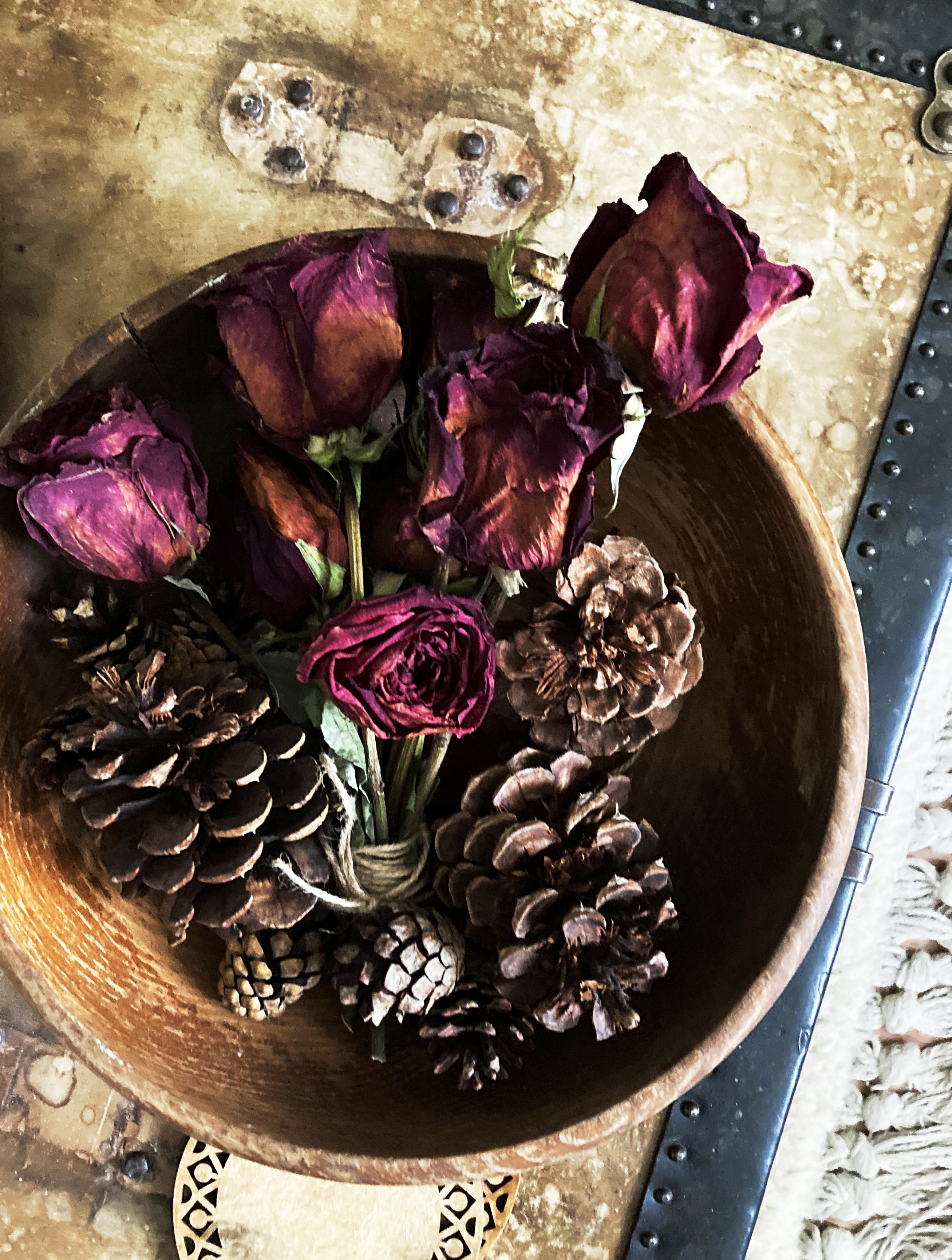
memories of flowers — paper whites in a window, elegant, tall gladiolas, dried roses in a wooden bowl
this song: You’re No Good, the Linda Ronstadt version
these words: petrichor (thank you Brian) and elysian
black horses in my dreams, wild dogs, the woods and snow clouds
the sound of a relentless rain on a sleepless night
winter, spring, summer and fall sunsets — how different they look and how different they feel

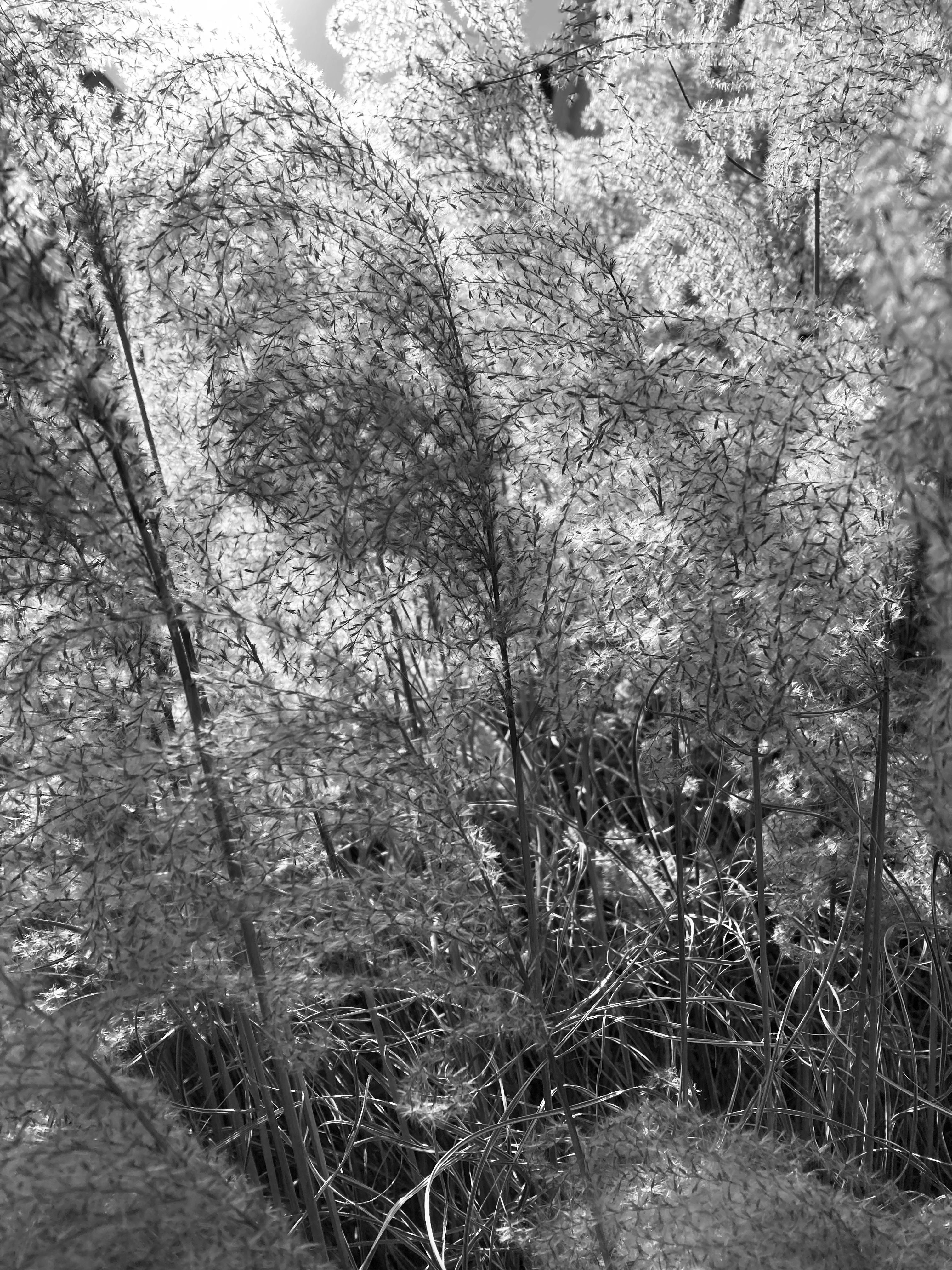
i want to remember the way the light was filtered by the reeds that day we walked along the brick-lined streets and the warmth of a well-loved dog, her smell and her kisses and her wagging tail and the sound of the crunching leaves under my old boots and the rain that fell on our heads as we knelt to watch the vole burrow deeply under a sodden log
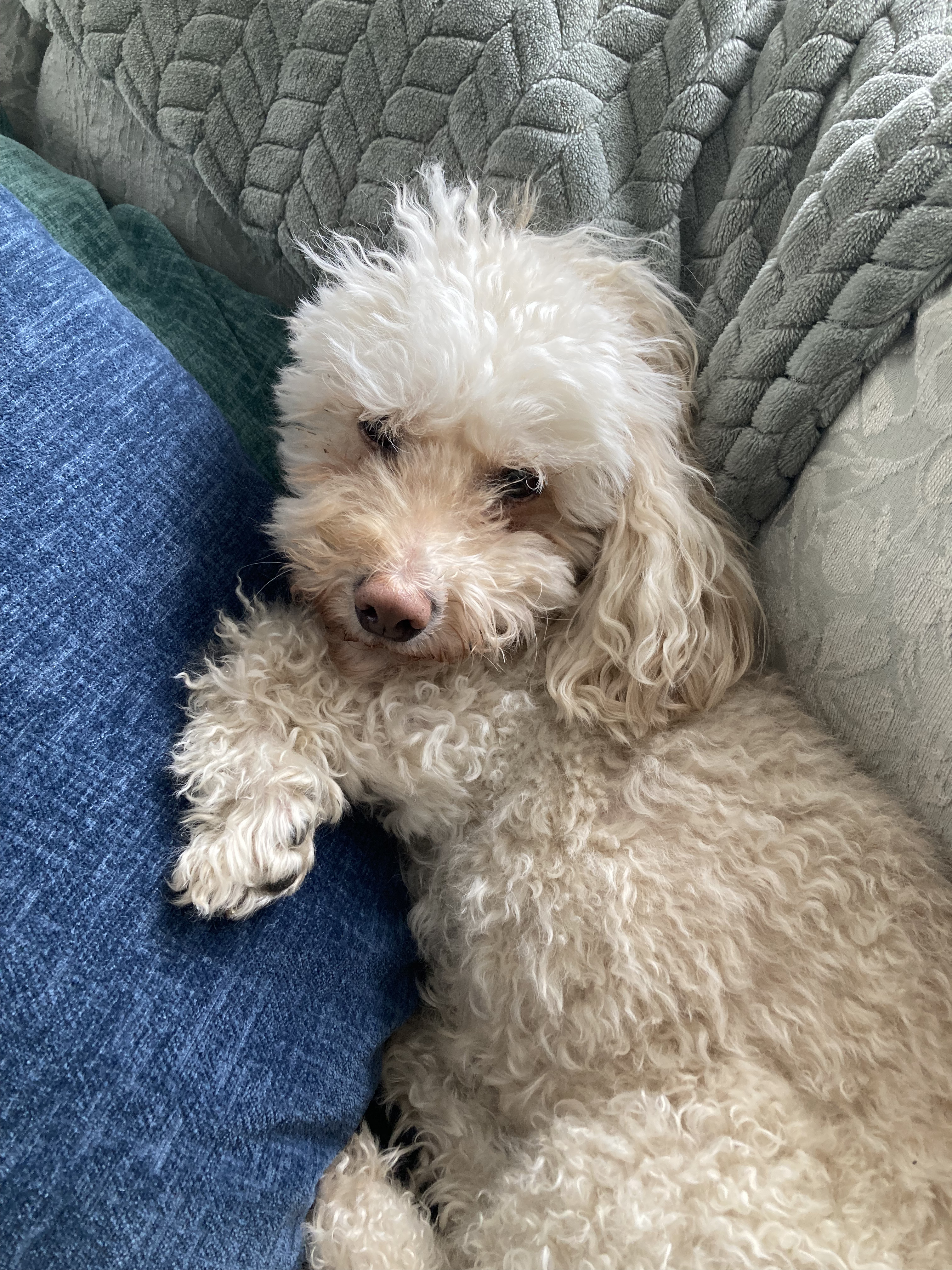
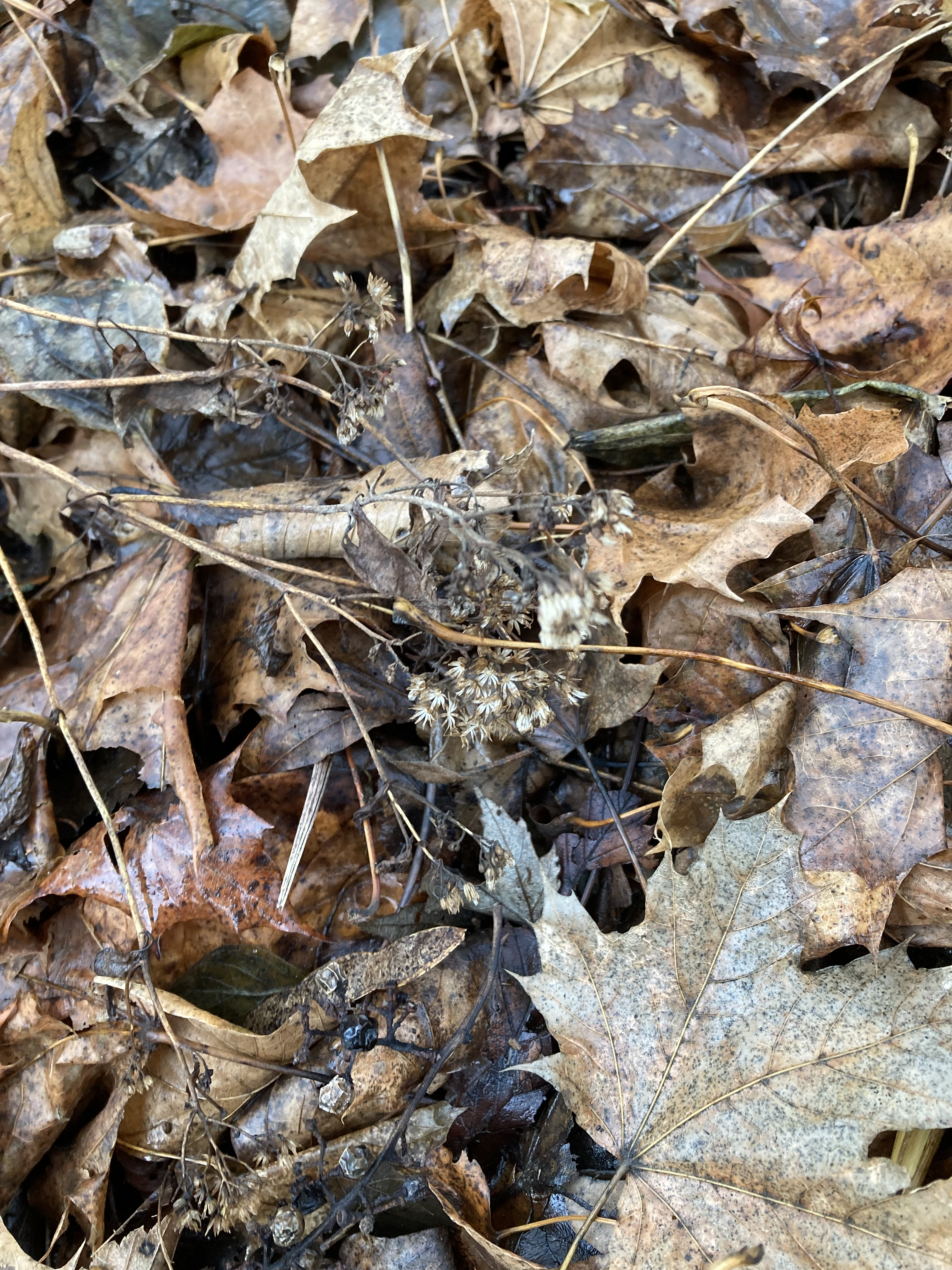
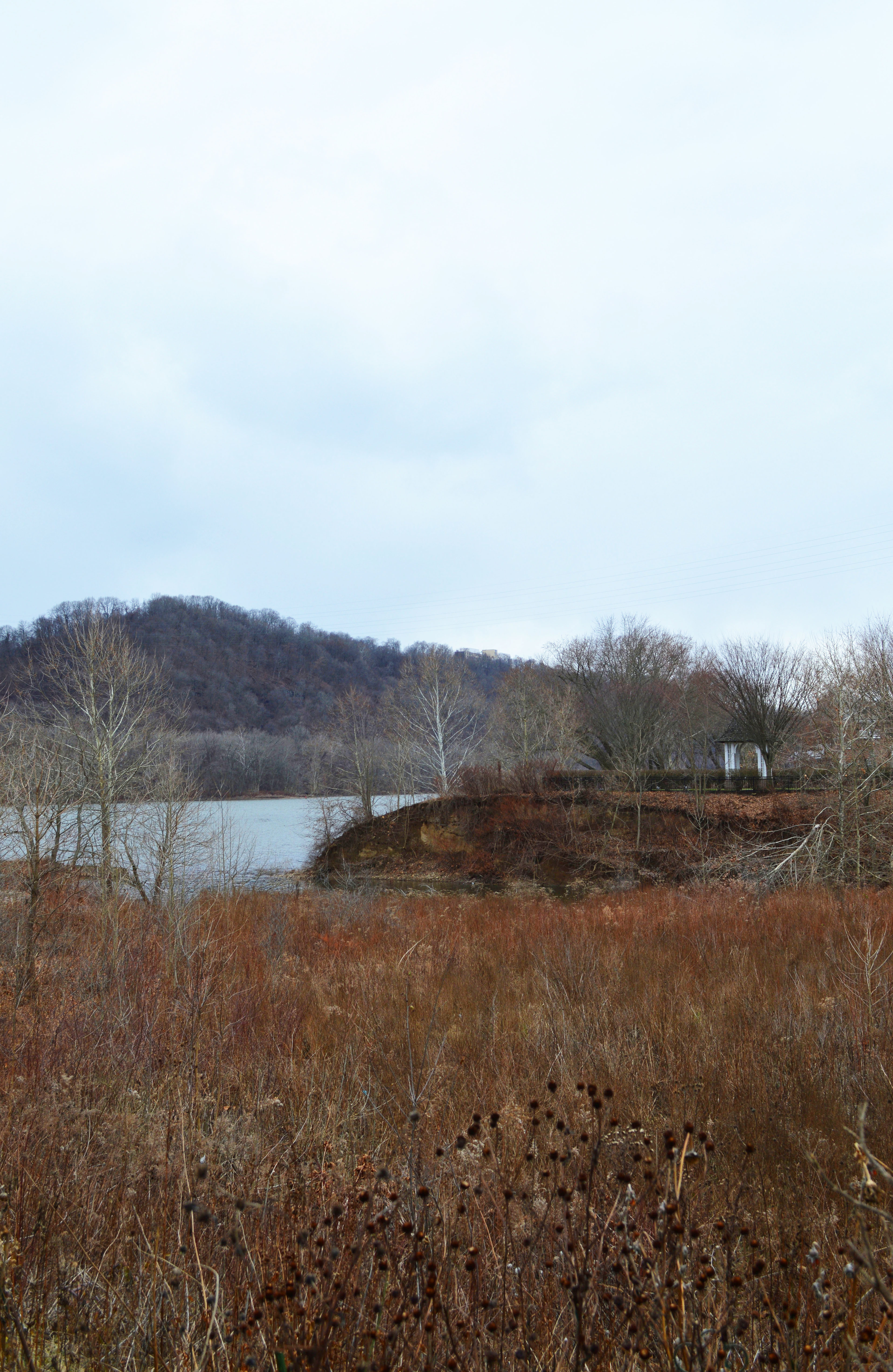
she walked along the river’s edge with her two most loyal companions: her dog and her solitude
 spanishwoods