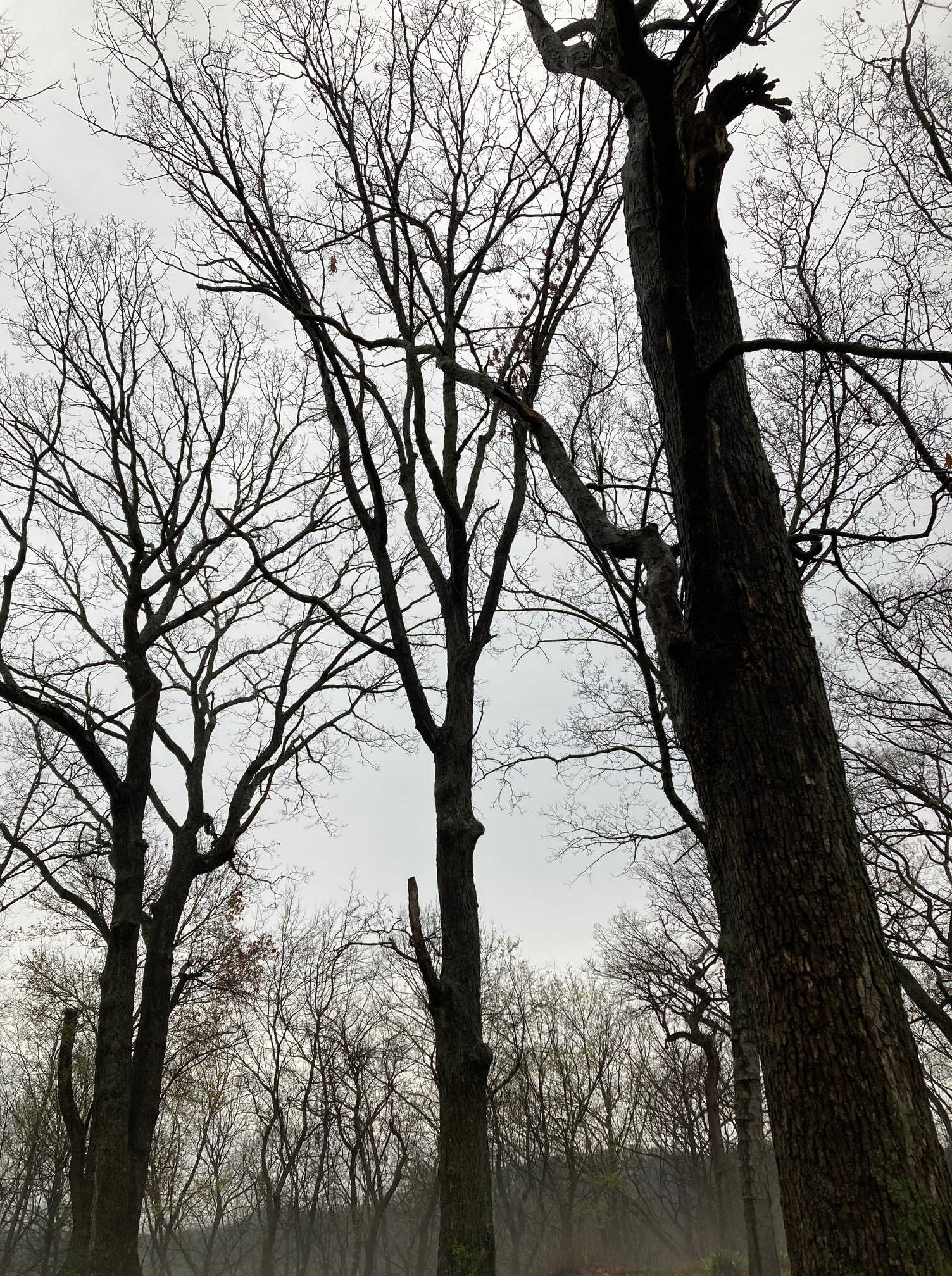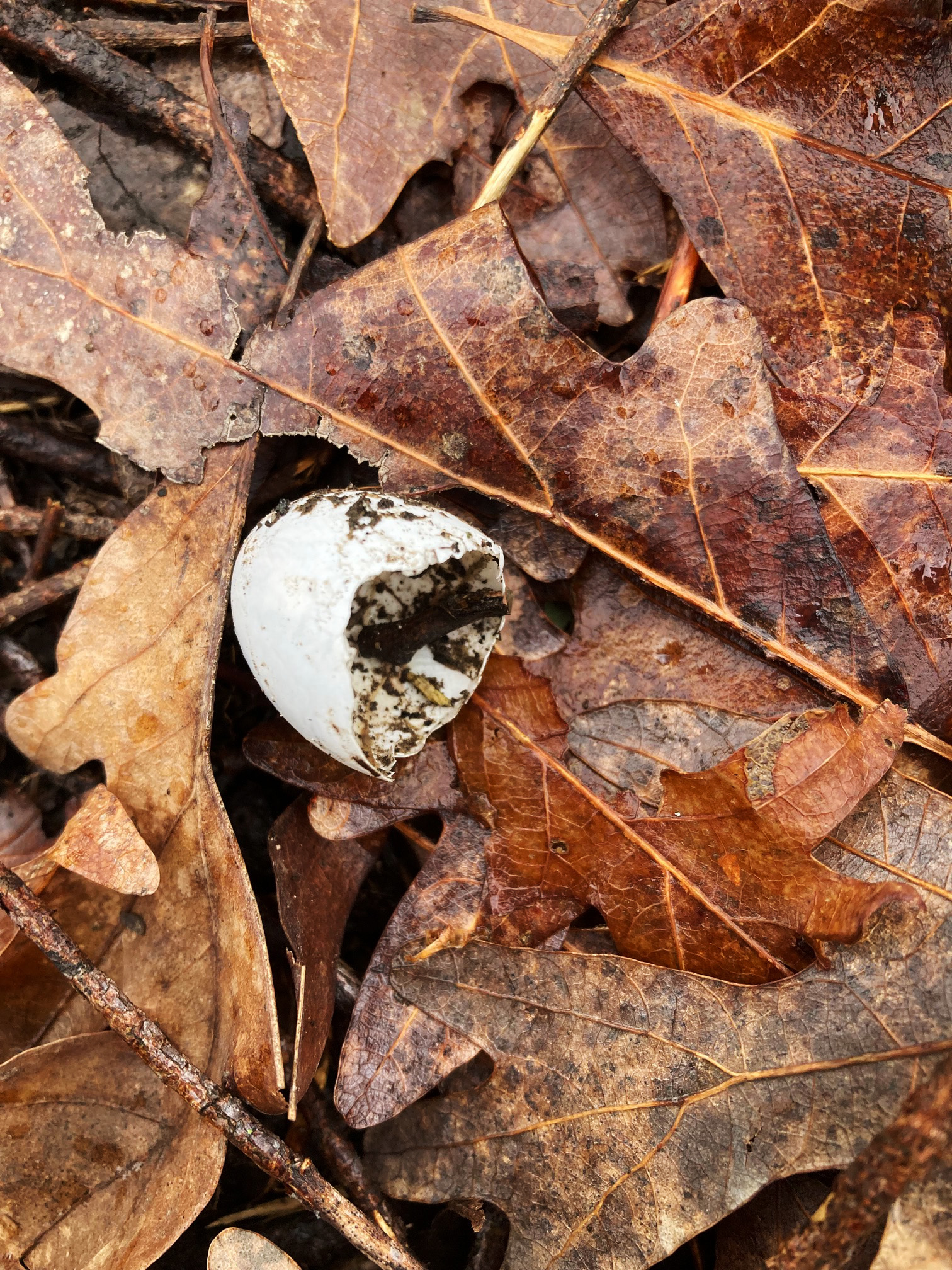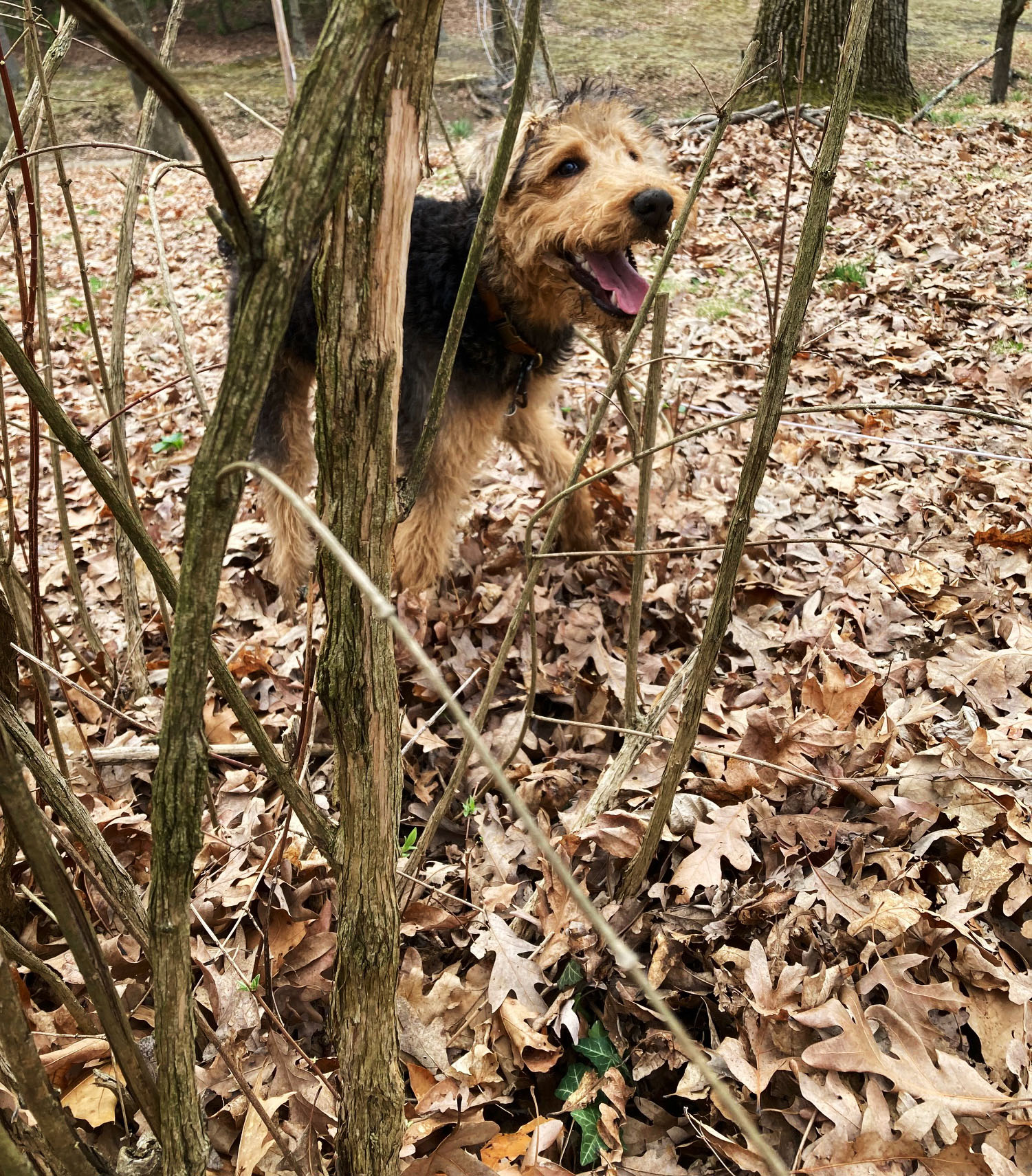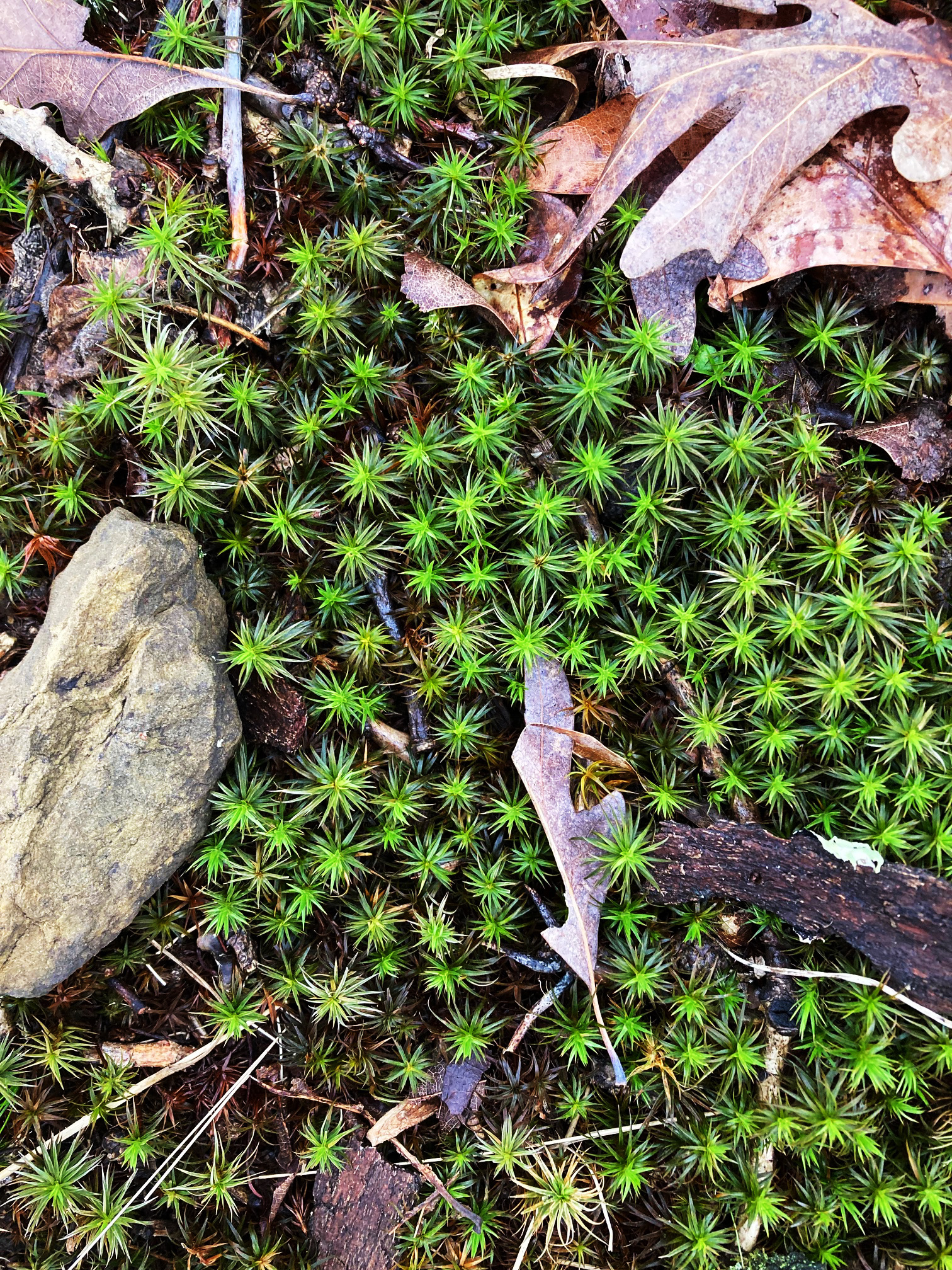
Spring arrives and the woods are damp, rich, earthy. You can smell it and almost taste it and certainly feel it—hopefulness.
“Looking back on this stretch of time, not just my days in Harrogate but all the years between the two Great Wars, I often think how fine it should have been. We allowed ourselves to believe evil had been defeated, as if evil never did raise twice….The very stars dimmed from the lights reflected on earth, and you could never do what I’d just done, escape from your ordinary life and fade away, undetectable.”
Excerpt from The Christie Affair by Nina de Gramont
my mum: “I watch the movie “The Pretty Girl” (Pretty Woman) every night, I’m always happy that they stay together at the end, they dated such a long time.”
my mum: “Why didn’t you tell me you got married?”
me: “Well, I’ve been married for 31 years mum.”
my mum: “I would remember that, if that were true.”
me: “Oh, well, I’ve been really busy, I forgot to mention it.”
me: “Why is your garbage can out mum?”
my mum: “Because it’s Friday and that’s when the garbage people come.”
me: “Today is Thursday, mum.”
my mum: “Today is Friday, Sylvia”
me after pausing and realizing she’s 100 percent correct: “Yes, today is Friday mum, you’re right.”
my mum: “I’m always right.”
on our way to the store, my mum: “Who sings this song?”
me: “Johnny Cash”
my mum: “Is he still alive?”
me: “No, he’s not.”
my mum: “Oh, that makes me so sad”.
on our way home from the store, my mum: “Who sings this song?”
me: “Johnny Cash”
my mum: “Is he still alive?”
me: “Yes, he’s alive.”
my mum: “I wonder what he’s doing right now?”
me: “I wonder too.”
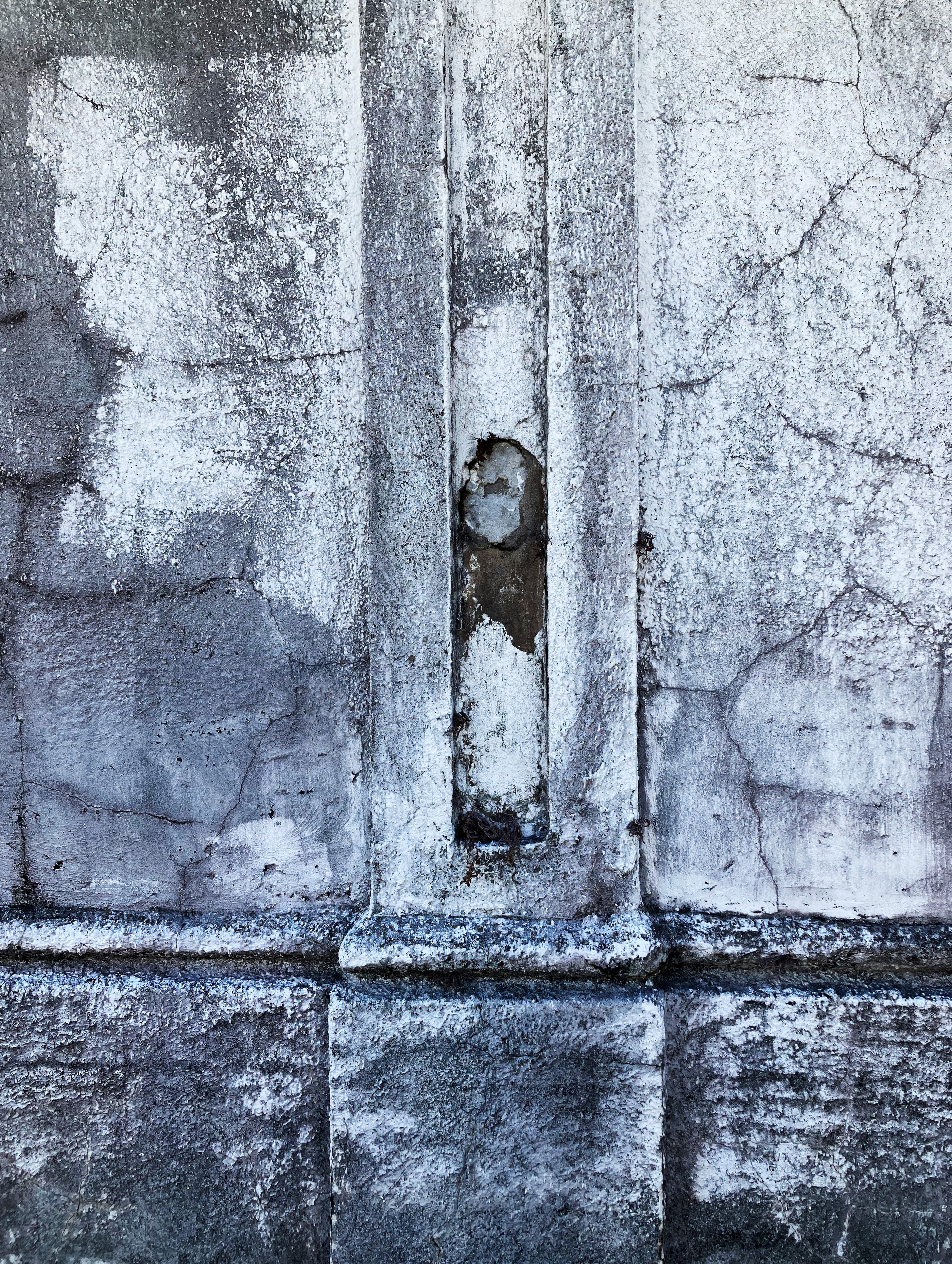
she said it wasn’t the taste she didn’t like, but the texture—and it started me thinking about the texture of things: the softness of velvet, the roughness of bark, the flakiness of peeling paint and also— love that laces a conversation, or dread behind a day, joy around a child, sincerity beside a promise, desperation inside a life
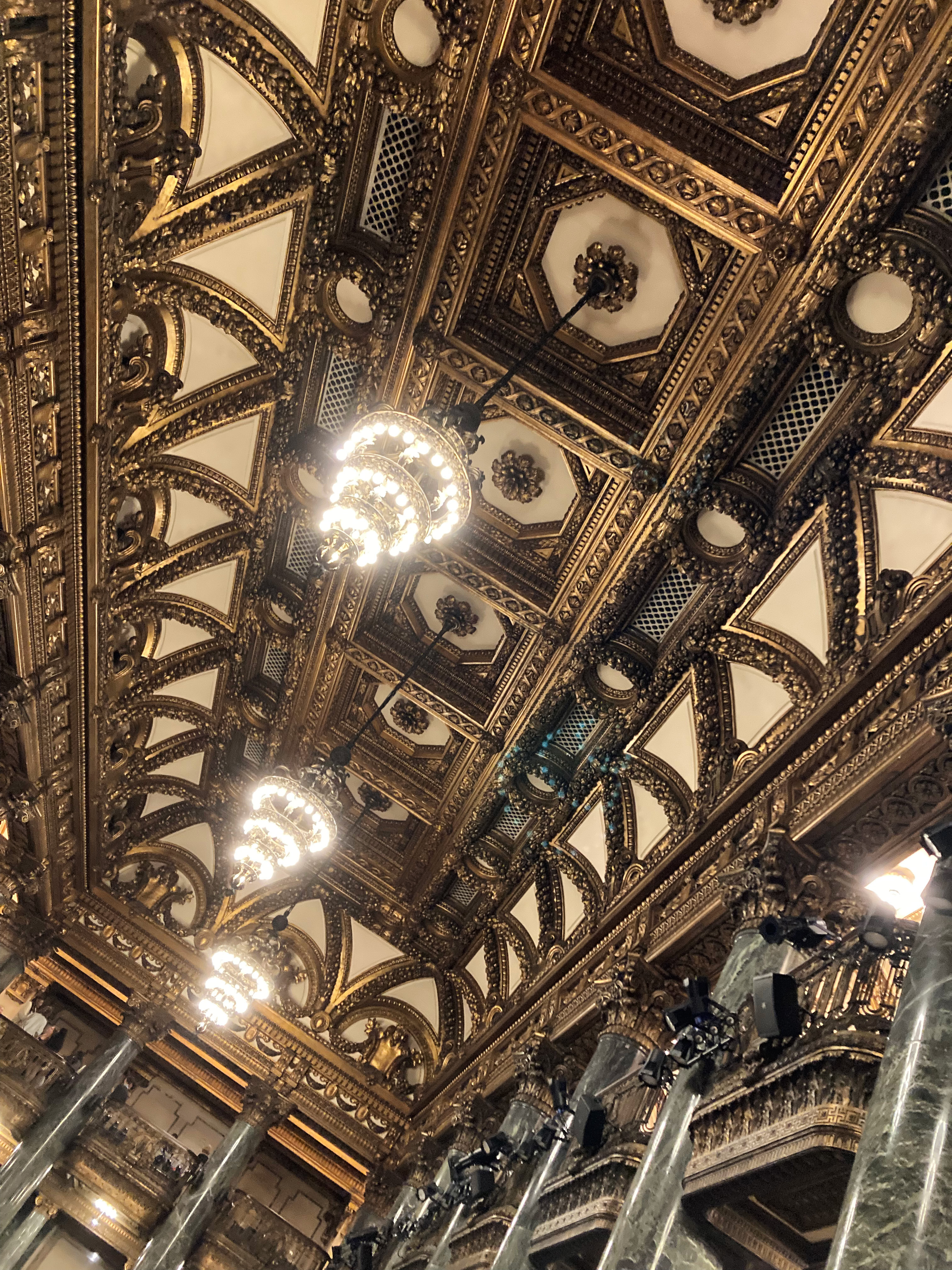
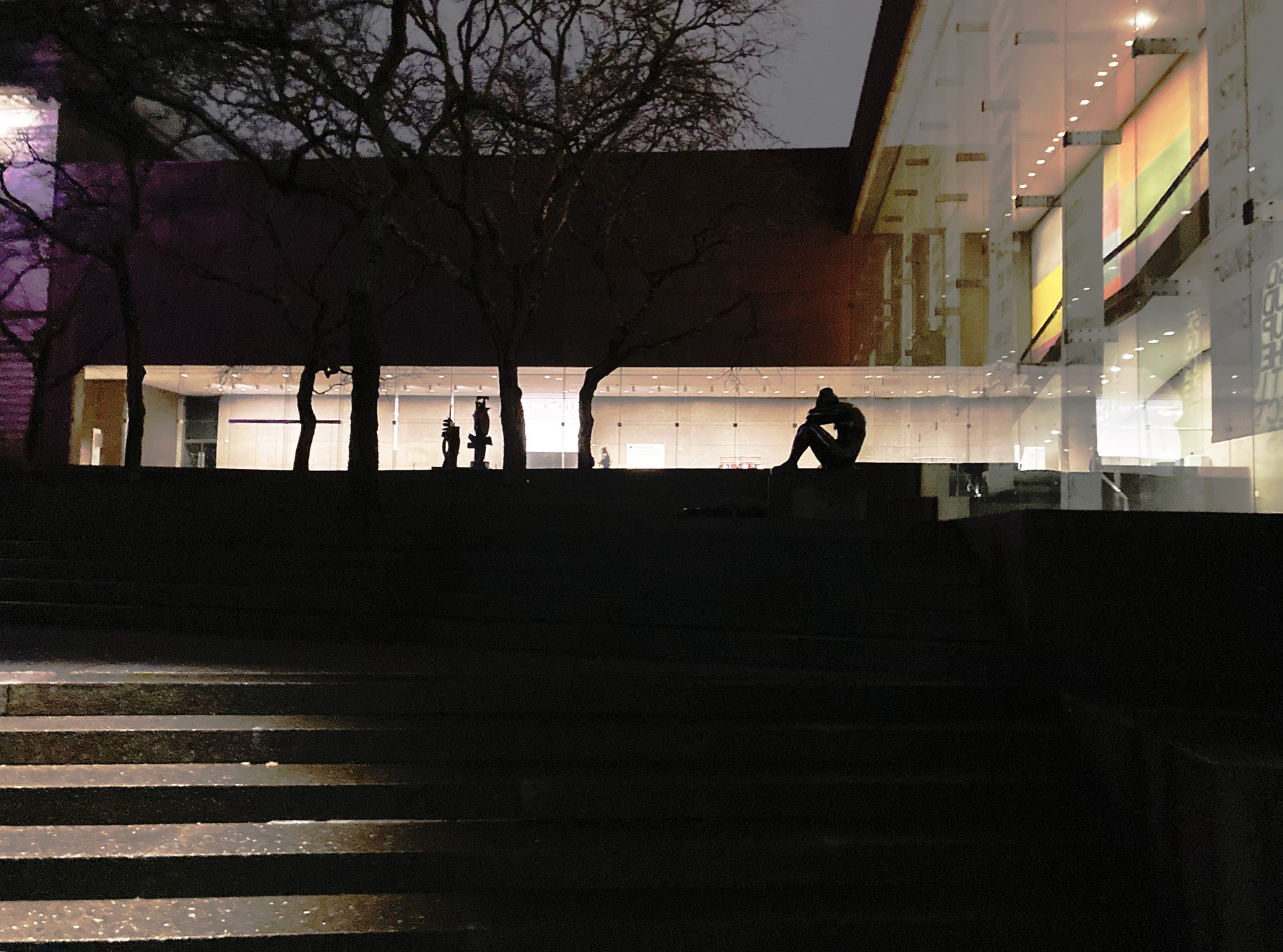
at night, we look at art; women with long dresses and ladders leaning on moons, curled up statues fight the
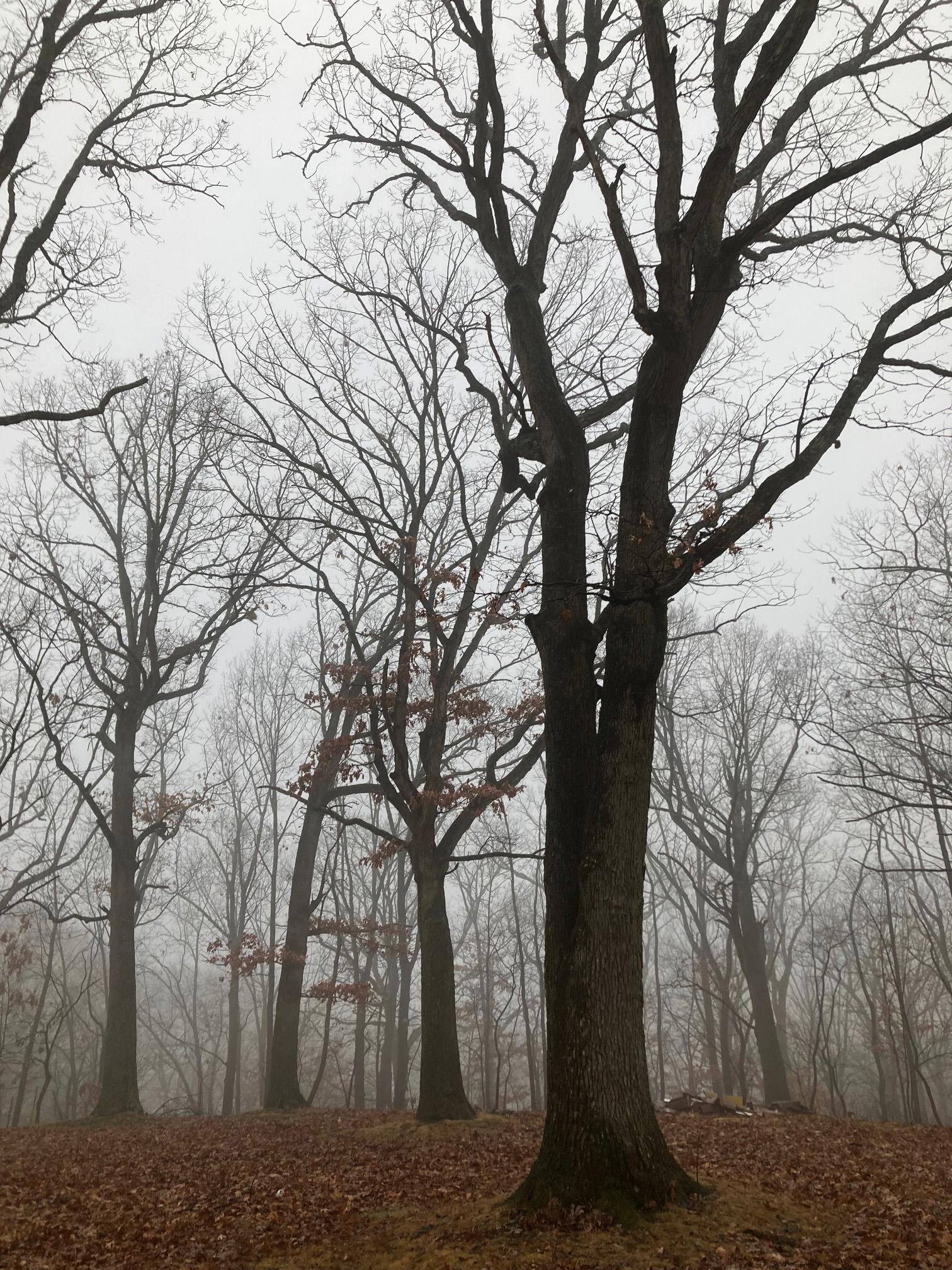
dark evening chill—fog rises from the damp leaves and seeps into our bones, into our exhaled breaths as we
contemplate unspoken questions, from unspoken conversations with dead poets and philosophers and husbands and wives
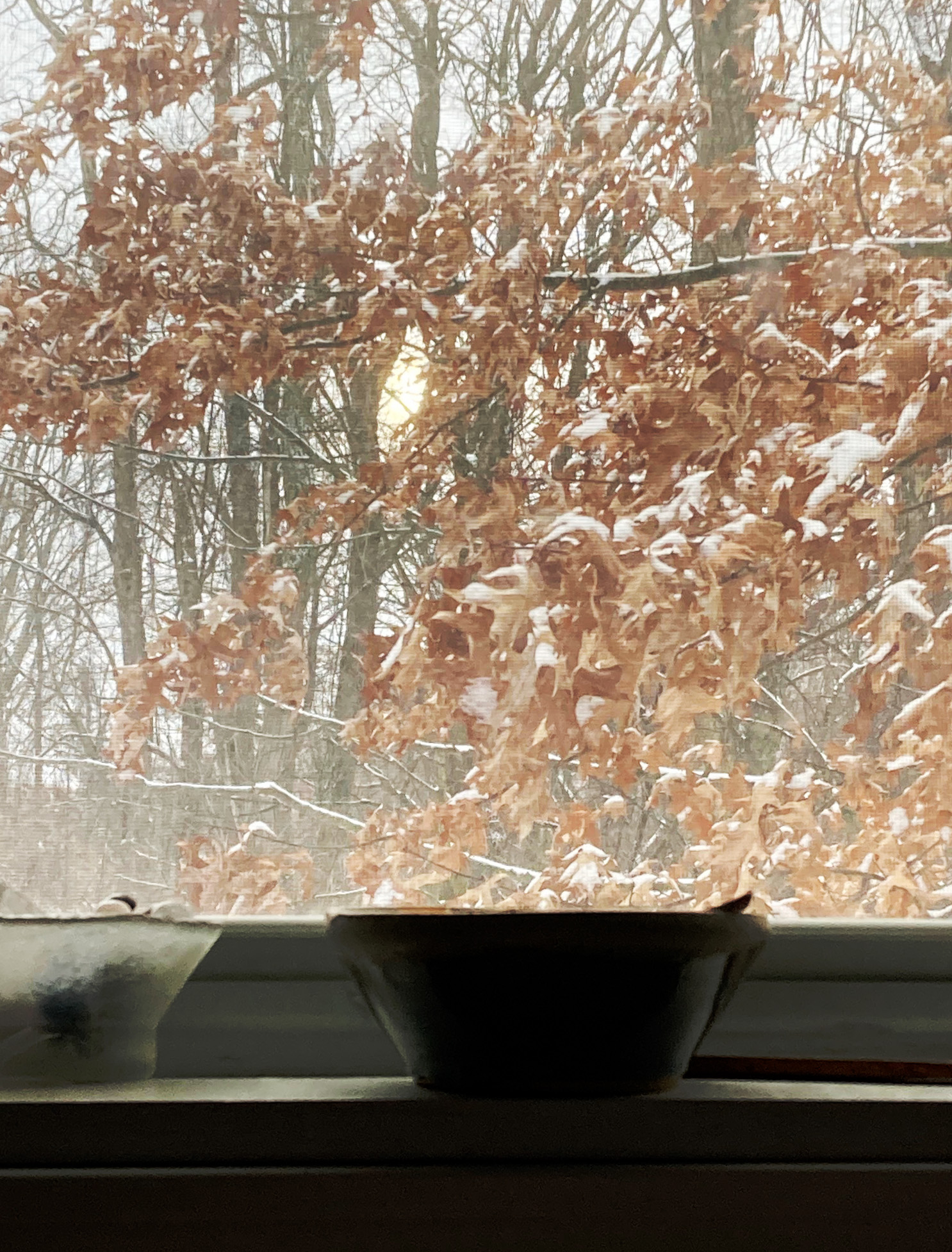
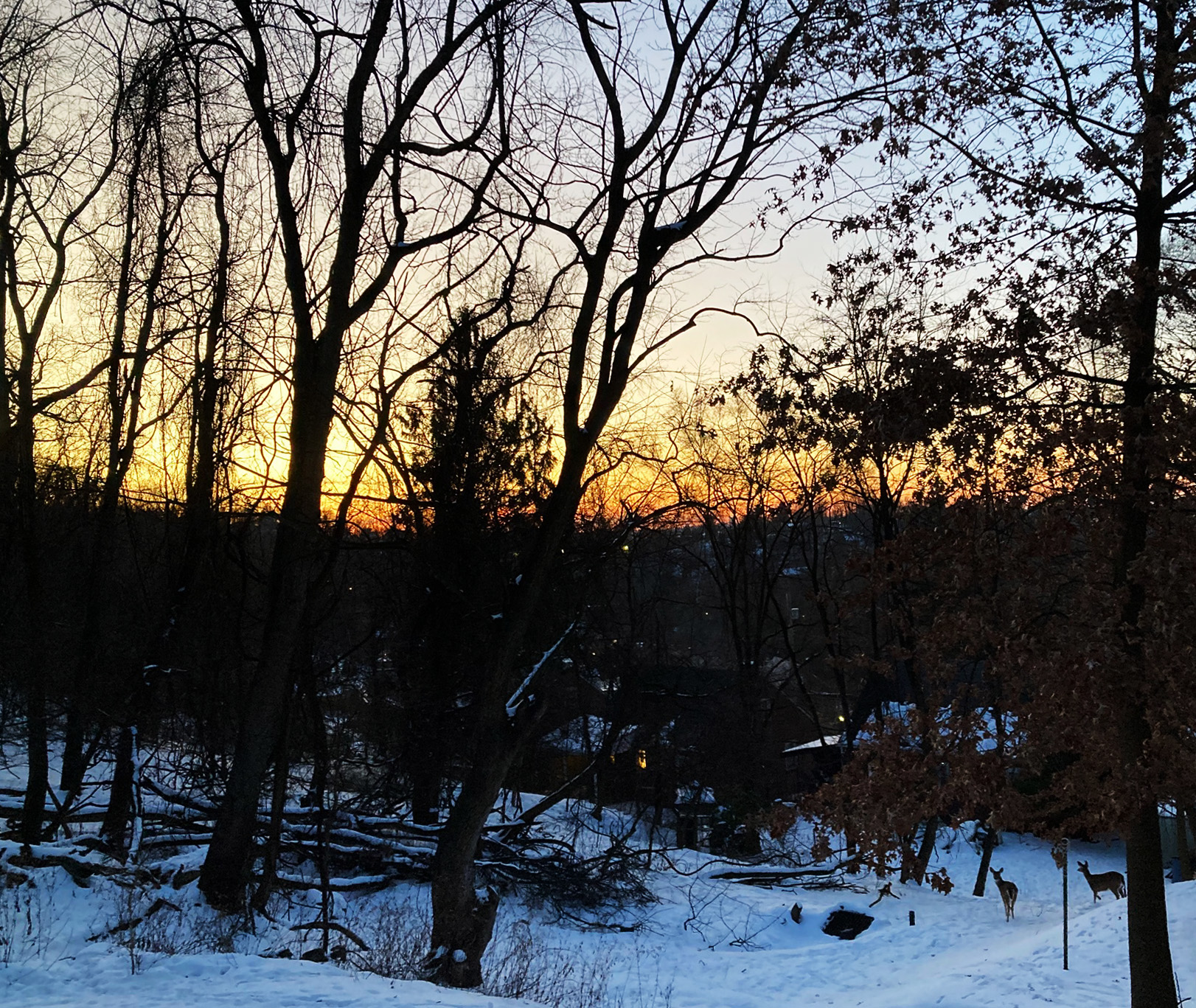
The oak tree leaves cling to their branches through the winter. They bend with the weight of the snow. Holding on tightly, they sway in the razor-cold wind. Come spring, the leaves will let go; floating silently on sweet breezes that carry them into the forest—where the deer hide and the sun sets.
good health—the positive management of your health
enough food—bowls of berries and platters of cheese, black beans, red tomatoes and good chocolate
the love of another person, or of an animal
safety—a warm home without fear
steaming cups of coffee and strong, black tea
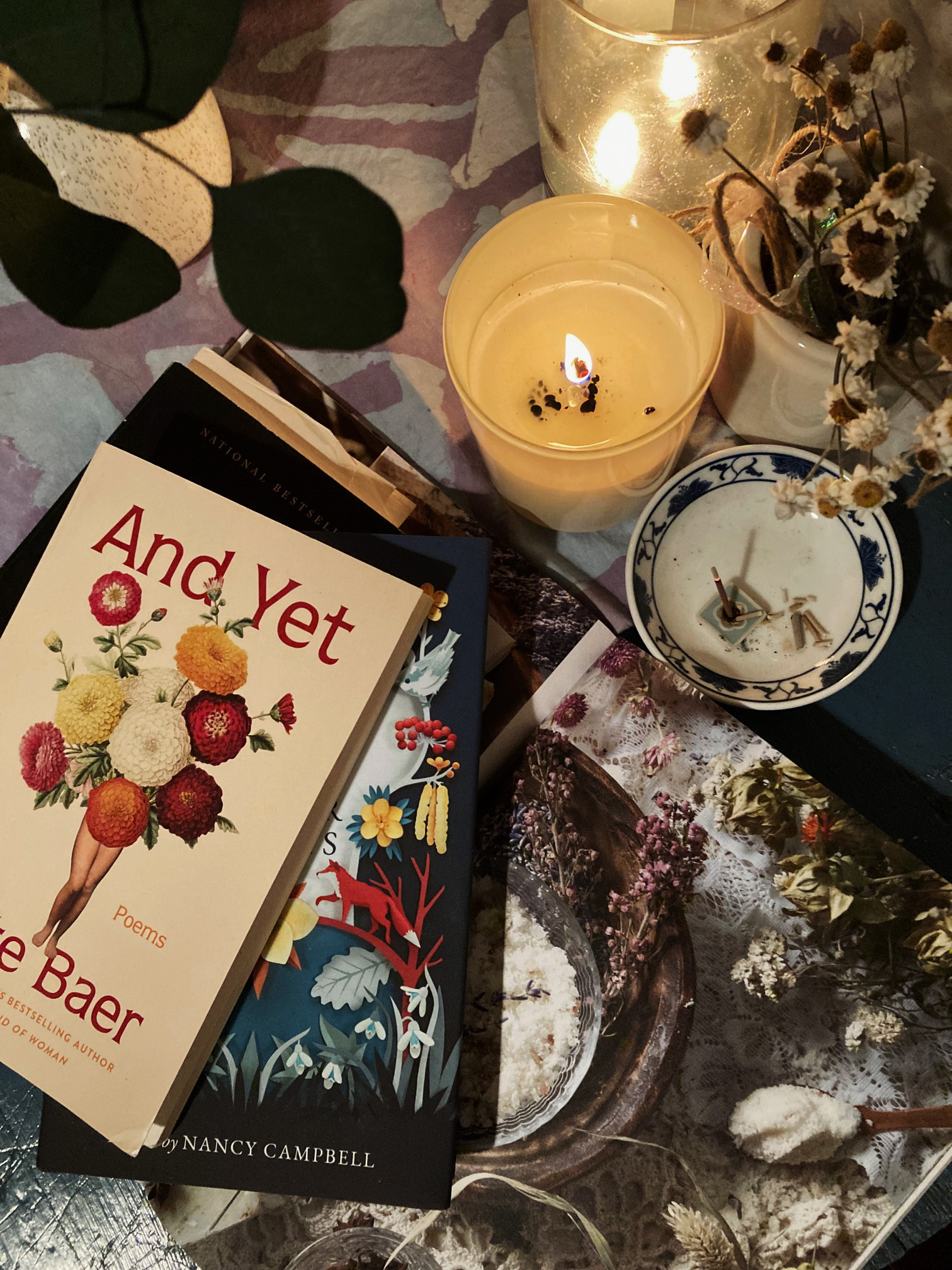
good books on frigid mornings
candles that smell like balsam, like cherry pipe tobacco, like spicy cinnamon
old photos
tattered quilts
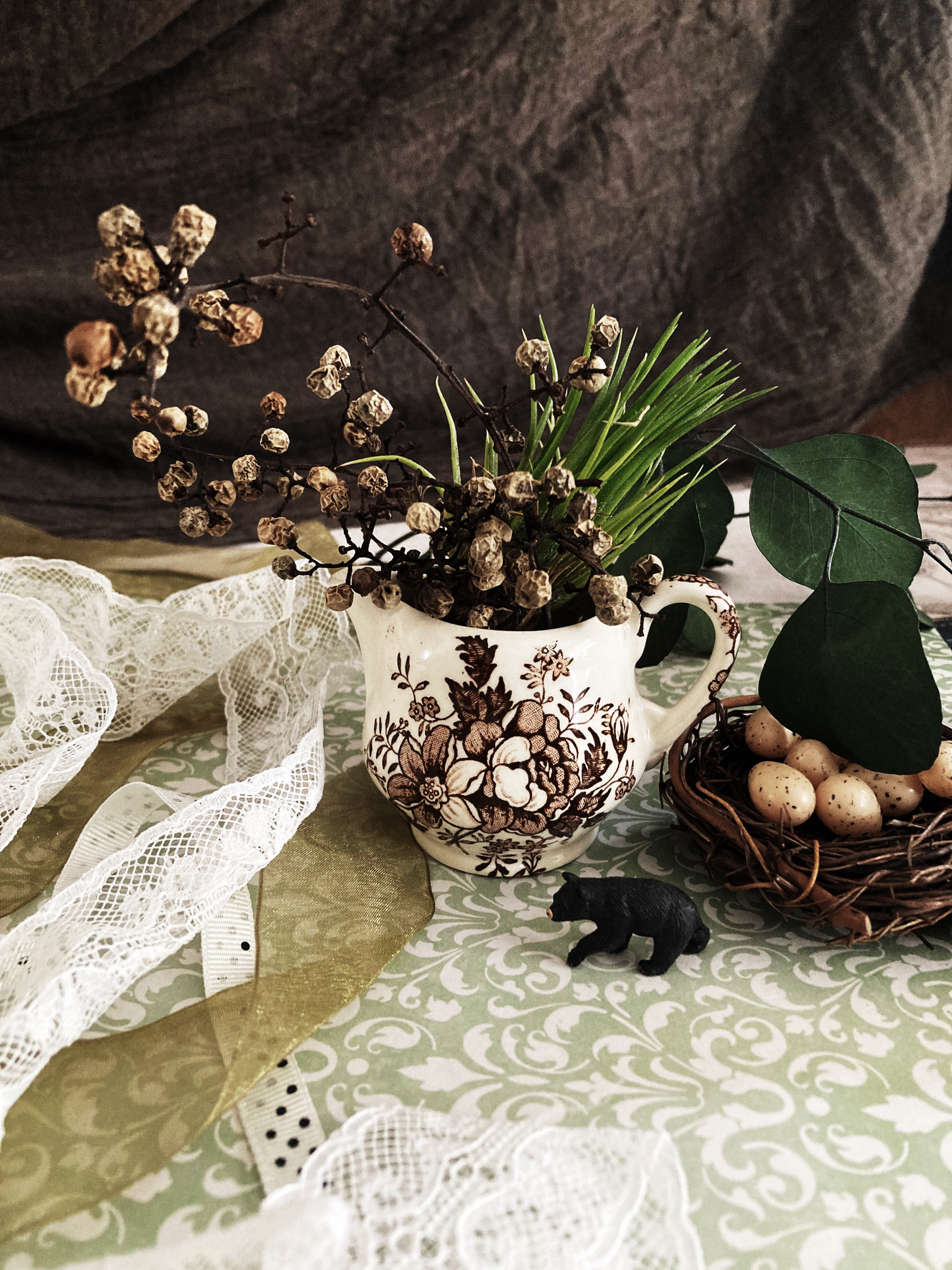
pine cones and dried flowers in vases
love letters tucked away with ribbons
crunchy walks in the snow
a good type of tired—from puttering in the house, from doing good for others, from shoveling someone’s walkway, from reading an entire book of poems in one night
freedom to get things wrong and freedom to get things right every once in a while
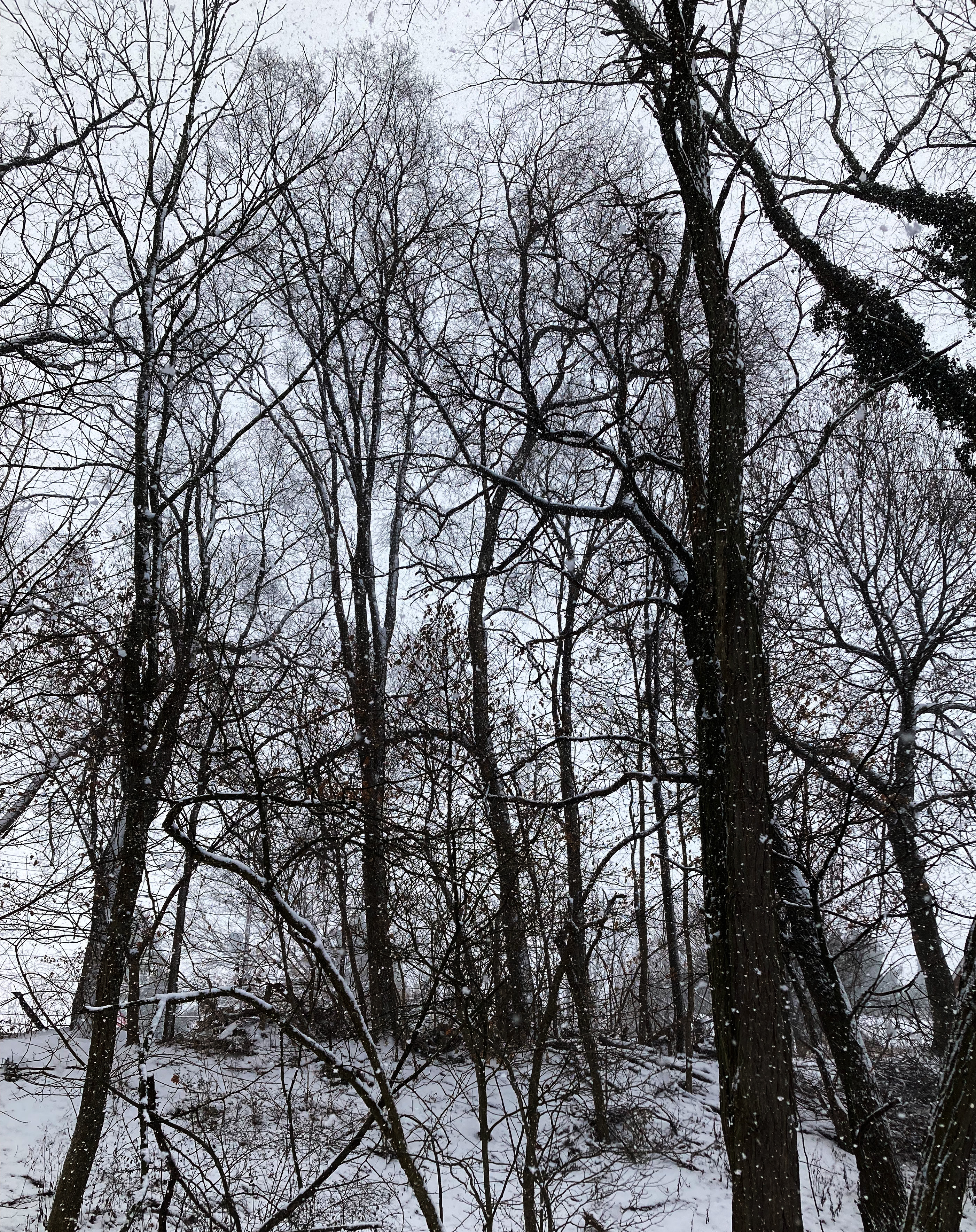
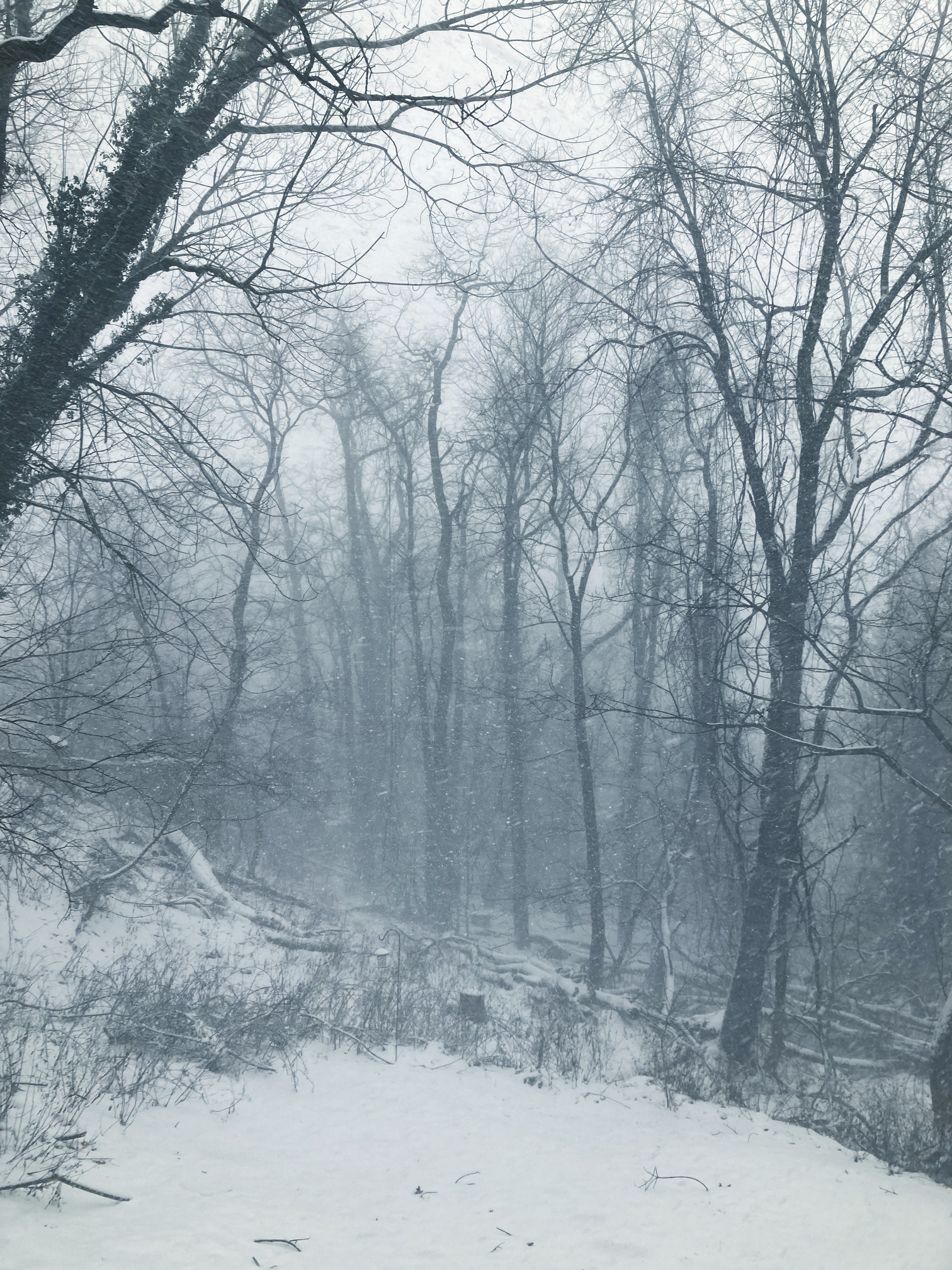
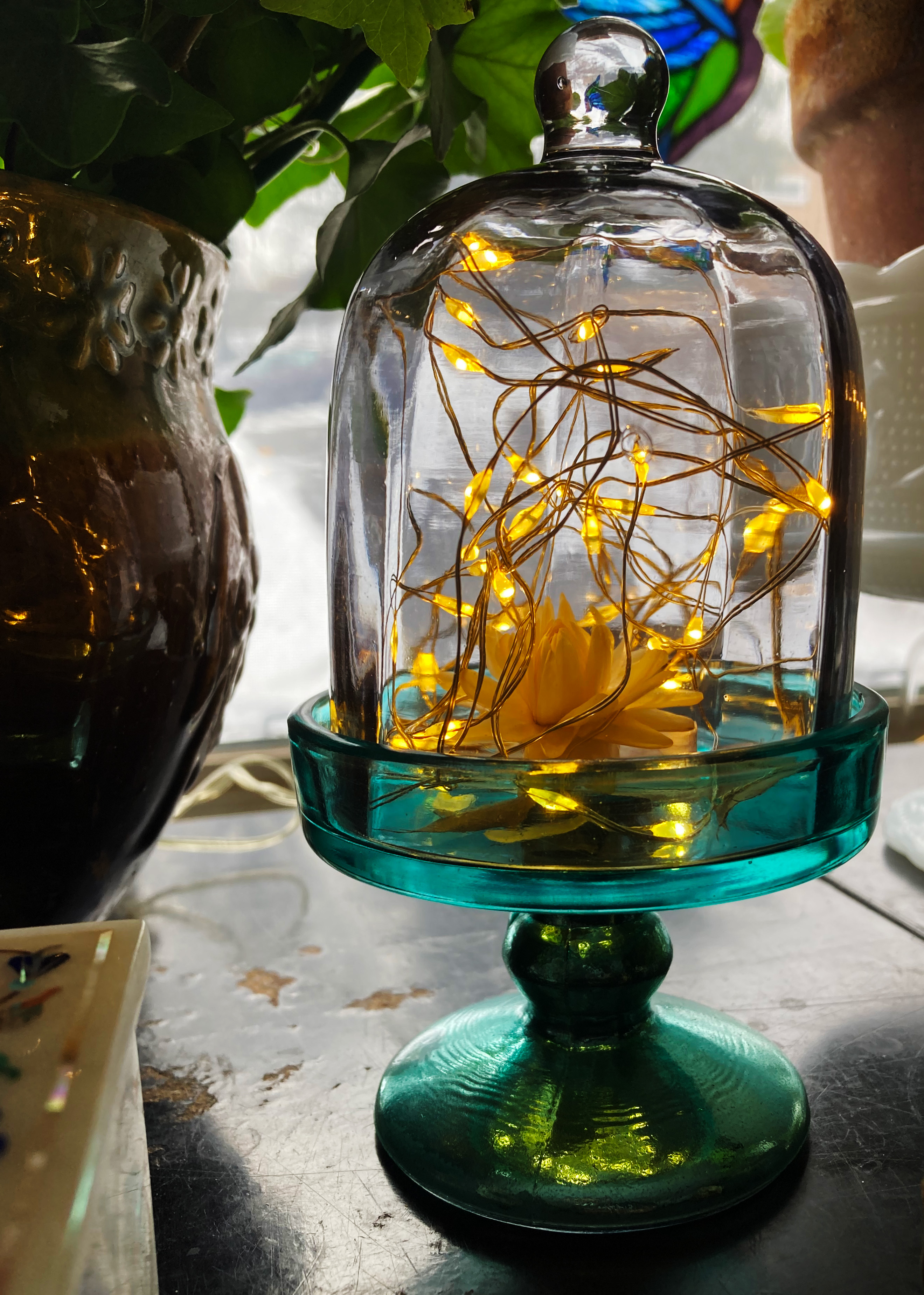
January is proving to be snowy and cold with white skies and treacherous roads. I marvel at the frozen beauty falling in a horizontal slant during a squall or drifting quietly out the kitchen window. My eyes are almost blinded by bright colors inside; I focus gently on softer hues, fairy lights, dried flowers, branches covered in yarn, books on snowflake photographs and these words from Thoreau:
January 1852: “The blue in my eye sympathizes with this blue in the snow….Would not snowdrifts be a good study,—their philosophy and poetry?” from The Journal 1937–1861 by Henry David Thoreau
raccoons in midnight trees
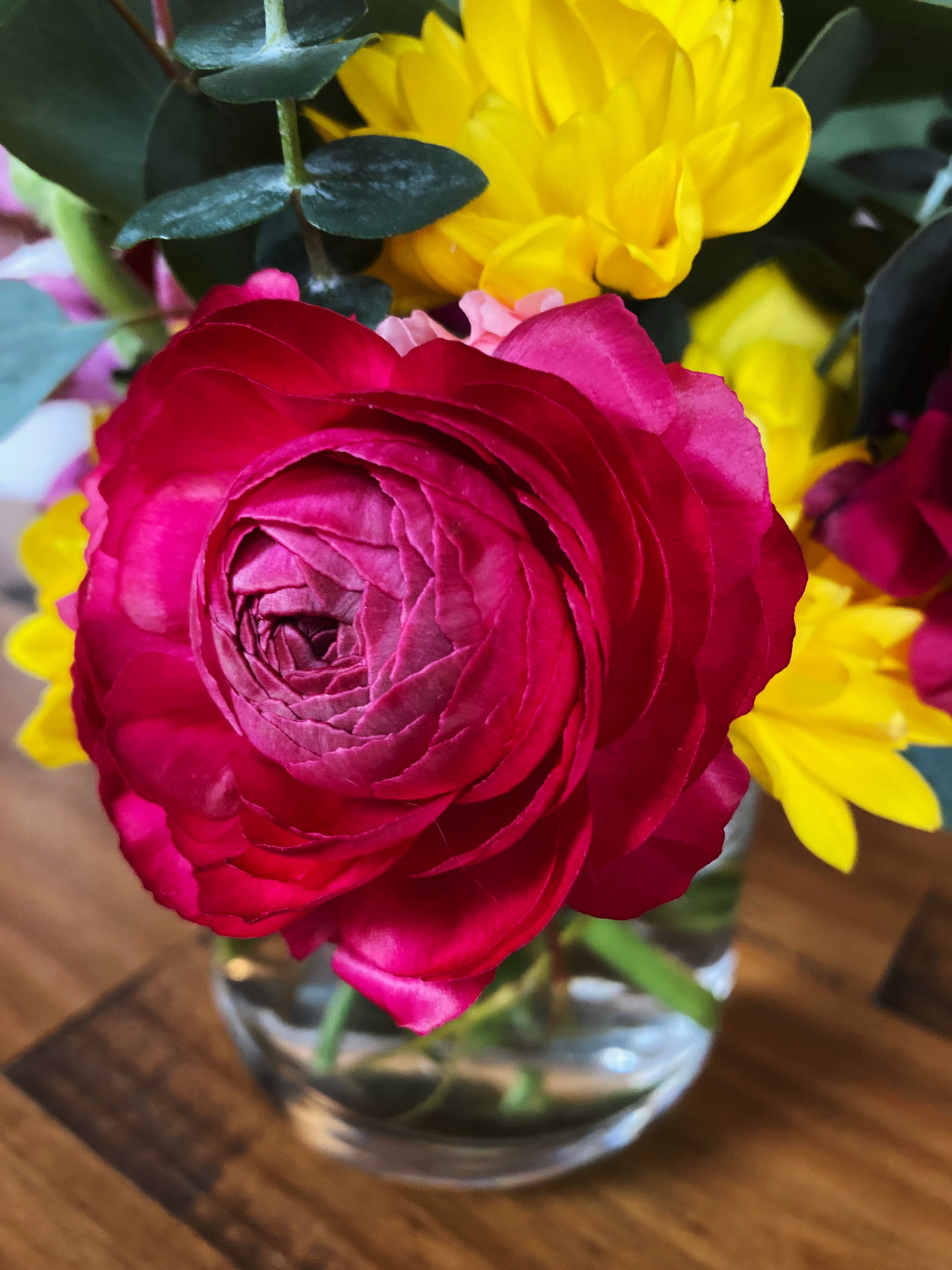
flowers on tables
beautiful places and rambling thoughts
dark books and burning candles
morning sun rays wake the day